
Can you paint bricks on a Sydney home? Yes, absolutely. Painting brick walls transforms the look of any Sydney home, protects porous masonry from moisture damage and adds genuine kerb appeal. The key is doing it correctly. At Brushworks Painters, we’ve painted brick exteriors, interior exposed brick walls and brick fireplaces across Sydney for over 20 years. Here’s exactly how to paint bricks properly, what products to use and what the most common mistakes are that cause painted brick to fail within two Sydney summers.
- Best paint for exterior brick walls: Breathable acrylic masonry paint or Dulux Weathershield
- Do you need primer for brick painting: Yes, always, a dedicated brick primer is non-negotiable
- Do you need to seal brick before painting: Yes, a brick sealer prevents moisture failure
- Cost to paint brick house exterior Sydney: $3,500 to $9,000 depending on home size
- How long does painted brick last: 10 to 15 years with quality masonry paint and proper preparation
- Can you unpaint brick: Paint removal costs $15,000 to $35,000, painting brick is a permanent commitment
- Best finish for exterior brick: Low sheen or matte masonry finish for weather durability
- Brick staining vs painting: Staining is semi-permanent and breathable, painting is fully opaque and longer lasting
- View Brushworks Painters Official Credentials
“I assess painted brick failures across Sydney every single week. The cause is almost always the same three decisions made in the wrong order. No masonry primer applied before the topcoat. No mortar repairs completed before painting. And a single coat of standard exterior acrylic where a two-coat breathable masonry system was required. Dulux’s Weathershield technical data confirms two full coats over penetrating masonry primer are the minimum specification for a 10 to 15 year coating life in Sydney conditions. Sydney’s summer UV index of 11 to 13 is classified as extreme by the World Health Organisation. That UV load will destroy an under-prepared painted brick surface within three to five years, no exceptions. At Brushworks Painters, we follow the full preparation and application system on every brick project we take on in Sydney. The cheapest part of any brick painting job is doing it correctly the first time. The most expensive part is fixing it when someone did not.”
Nick Kyriaco, Master Painter and Founder, Brushworks Painters Sydney
Licensed Masonry Painting Contractor | Master Painters Australia Member | 20+ Years Sydney Experience
Why Paint Brick Walls at All? The Honest Case For It
Brick is durable but it’s not invincible. Sydney’s UV intensity, coastal salt air and heavy rainfall combine to fade, stain and erode brick surfaces over decades. Painting brick walls with the right masonry paint system seals the surface, reflects UV, repels moisture and gives you complete colour control over your home’s exterior appearance.
At Brushworks Painters, we see two types of Sydney homeowners considering brick painting. The first type has structurally sound brick in a dated colour that’s dragging the property value down. The second type has weathered, stained or mismatched brick that looks genuinely tired. Both situations justify painting when the right system is applied correctly.
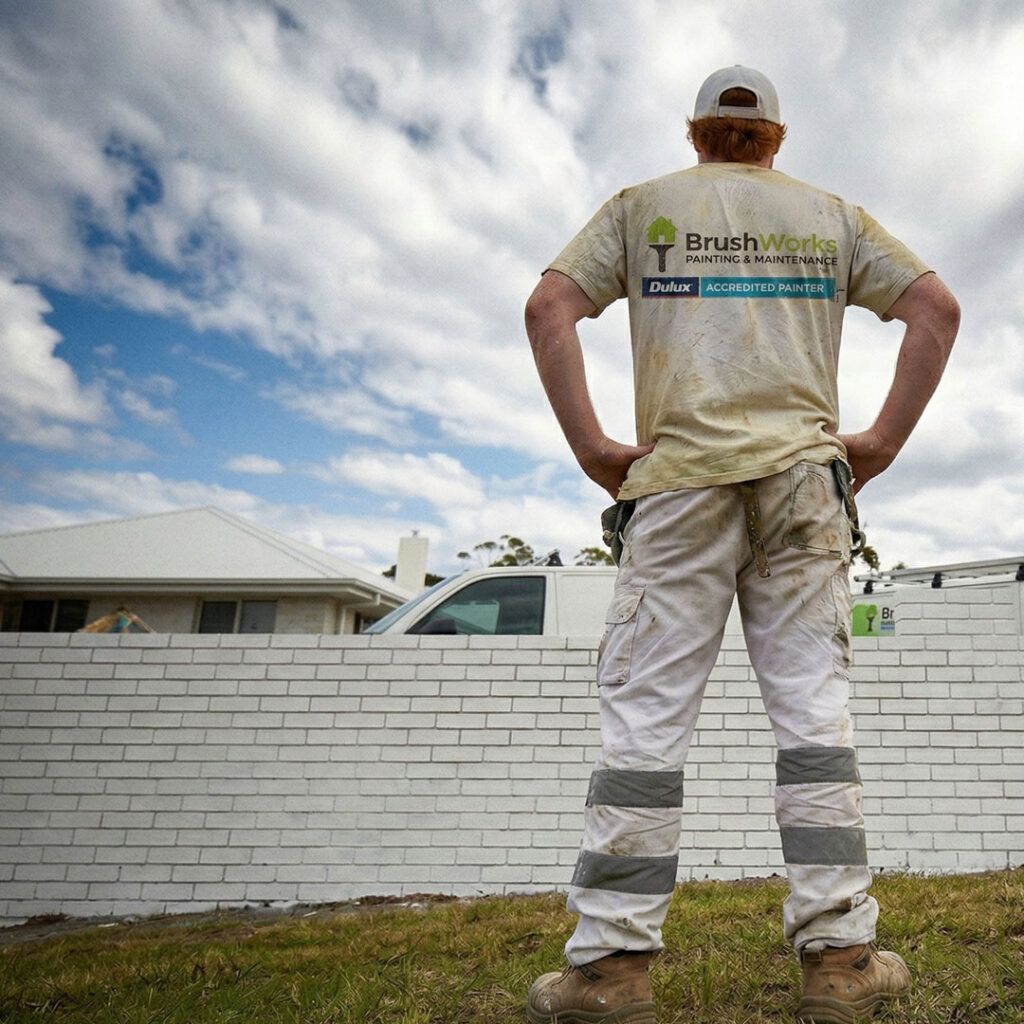
How to Prepare Brick for Painting: The Step That Determines Everything
Preparation is the most important stage of any brick painting project. Paint applied to dirty, damp or unprepared brick fails quickly and is expensive to remediate. Here’s the correct preparation sequence that Brushworks Painters follows on every Sydney brick project.
Step 1: Pressure Wash the Brick Surface
Brick surfaces hold years of grime, moss, lichen, salt deposits and biological growth that must be removed before any paint is applied. Pressure washing at 1,500 to 3,000 PSI removes surface contamination and opens the brick pores for primer adhesion.
- Minimum drying time after pressure washing: 48 to 72 hours before any primer application
- Mould and lichen treatment: Apply a biocide wash before pressure cleaning on shaded or vegetation-adjacent walls
- Salt efflorescence treatment: Wire brush white salt deposits and treat with an efflorescence remover before washing
- Do not paint wet brick: Moisture trapped under paint causes bubbling and peeling within one Sydney winter
Step 2: Repair Mortar and Fill Cracks
Inspect every mortar joint and brick face carefully before priming. Cracked or crumbling mortar allows water to penetrate behind the paint film, causing guaranteed failure regardless of paint quality.
- Repoint damaged mortar joints: Use a flexible exterior mortar mix rated for painted masonry surfaces
- Fill hairline cracks: Apply exterior grade acrylic gap filler and allow full cure before priming
- Check window and door reveals: Gaps around frames are the most common water entry point on painted brick exteriors
- Allow repairs to cure fully: Minimum 48 hours for mortar repairs before primer application
Step 3: Apply Brick Primer
Never skip the primer coat on brick. Brick primer seals the highly porous masonry surface, dramatically reduces paint consumption on the topcoat and creates a consistent adhesion base that extends the total coating life by 3 to 5 years.
| Primer Type | Best For | Application Method | Drying Time |
|---|---|---|---|
| Acrylic masonry sealer primer | Standard clay and concrete brick | Roller or brush | 2 to 4 hours recoat |
| High-build masonry primer | Rough, porous or weathered brick | Roller preferred | 4 to 6 hours recoat |
| Penetrating brick sealer | Sandstock or heritage brick | Brush only for controlled penetration | 24 hours before topcoat |
| Anti-efflorescence primer | Brick with active salt deposits | Brush or roller | 4 to 8 hours recoat |
At Brushworks Painters, we specify a penetrating acrylic masonry primer on all Sydney brick exterior projects before any topcoat system is applied. Skipping primer on brick is the single most common reason painted brick exteriors fail prematurely in Sydney.
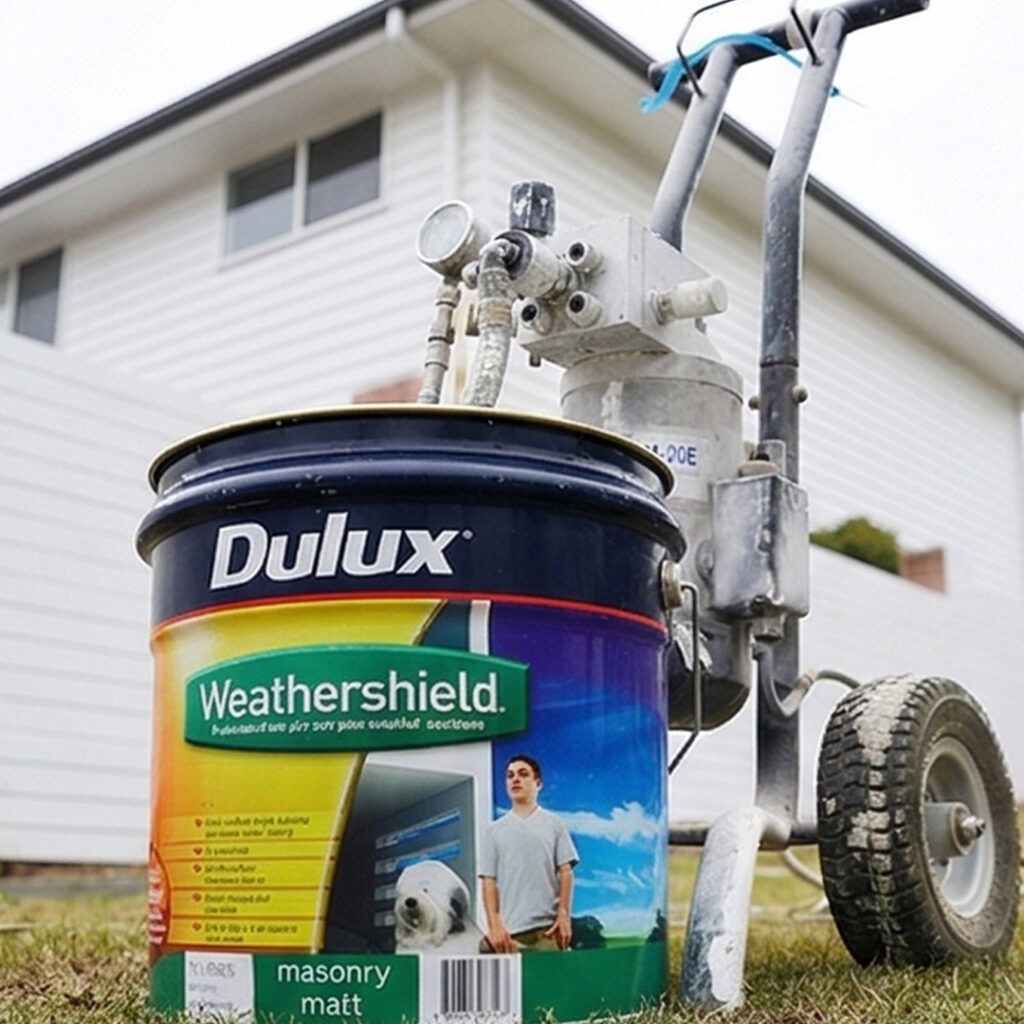
Best Paint for Brick Walls: What to Use and Why It Matters in Sydney
Choosing the right masonry paint for a Sydney brick exterior is not optional detail. Sydney’s UV intensity is among the highest in the world, and the coastal suburbs add salt-laden humidity that degrades inferior paint systems within a few seasons. Here’s what actually works.
Breathable Masonry Paint: Why Brick Needs to Breathe
Brick absorbs and releases moisture as part of its natural behaviour. A breathable masonry paint allows moisture vapour to escape through the coating while preventing liquid water from penetrating inward. Non-breathable paints trap moisture in the brick, causing bubbling, peeling and long-term structural damage to the mortar and brick face.
- Always specify breathable acrylic masonry paint on any Sydney brick exterior
- Avoid oil-based paints on brick: They seal the surface completely and cause moisture entrapment
- Avoid standard interior acrylic: It has zero UV resistance and fails outdoors within 12 to 18 months
- Elastomeric coatings: Flexible film coatings that bridge hairline cracks, ideal for aged Sydney brick
Top Paint Products for Brick Walls in Sydney
| Product | Type | Best Use | Expected Life Sydney |
|---|---|---|---|
| Dulux Weathershield | Acrylic exterior masonry | Standard brick exteriors, UV-intense Sydney suburbs | 10 to 15 years |
| Taubmans All Weather | Acrylic exterior masonry | Coastal Sydney brick homes, weather resistance priority | 8 to 12 years |
| Haymes Weatherguard | Premium acrylic exterior | Premium Sydney homes, maximum durability requirement | 10 to 15 years |
| Wattyl Solagard | Acrylic exterior masonry | General residential brick, reliable mid-range option | 8 to 12 years |
Brushworks Painters specifies Dulux Weathershield as the default exterior brick paint system across most Sydney projects. Its UV resistance, breathability and elasticity make it the most consistently reliable choice for Sydney’s demanding coastal and suburban climate conditions.
What Finish Should You Use on Painted Brick?
Finish selection on brick painting affects both the final appearance and the coating’s long-term durability. Here’s what each finish delivers on a Sydney brick exterior.
- Matte or flat masonry finish: Most natural brick-like appearance, hides surface imperfections, best for rough or aged brick
- Low sheen masonry finish: Slight reflectivity, easier to clean than matte, most popular for Sydney brick exteriors
- Satin masonry finish: More reflective, shows surface texture variation, better for smooth or wire-cut brick
- Avoid full gloss on brick exteriors: Gloss highlights every surface imperfection and looks unnatural on masonry
How to Paint Brick Walls: Step-by-Step Application Guide
With preparation complete and the right product selected, the application stage is where quality is either delivered or lost. Here’s the correct method for painting brick walls to a professional standard.
Application Tools for Painting Brick
Brick’s irregular surface demands specific application tools. The wrong roller or brush leaves uncoated pockets in the mortar joints and brick texture, creating moisture entry points that undermine the whole coating system.
- Masonry roller nap thickness: 18mm to 25mm thick nap for textured brick, thinner nap misses recesses
- Masonry brush: Use a thick-bristled masonry brush for mortar joints, reveals and cutting-in
- Airless spray gun: Fastest and most even coverage on large brick surfaces, requires thorough masking
- Combination method: Spray application with brush back-rolling into joints, the professional standard used by Brushworks Painters
- Extension poles: Mandatory for single-storey walls, saves ladder time and ensures consistent pressure
Applying the First Coat of Masonry Paint
Work from top to bottom on every brick wall section. This prevents drips and runs from contaminating freshly painted lower sections. Apply paint generously into mortar joints first using a brush, then roll the field area while the joints are still wet to create a seamless film.
- Temperature range for application: 10 to 35 degrees Celsius, avoid painting in direct Sydney summer sun
- Humidity restriction: Do not apply masonry paint if rain is expected within 4 hours
- Minimum film thickness: Follow manufacturer specifications, under-application is the most common cause of early coating failure
- Recoat window: Apply second coat within the manufacturer’s recoat window, usually 2 to 6 hours for acrylic masonry paints
Applying the Second Coat and Checking Coverage
Two full coats of masonry paint are the professional minimum for any Sydney brick exterior. A single coat does not build sufficient film thickness to deliver the UV resistance and waterproofing the manufacturer’s warranty requires.
- Check mortar joint coverage carefully: The most common missed area on painted brick is the bottom edge of each mortar joint
- Inspect in raking light: View the finished wall in angled afternoon light to identify any missed patches
- Touch up before full cure: Address any holidays or thin spots while the second coat is still within the recoat window
- Full cure time: Most acrylic masonry paints reach full hardness and washability after 7 to 14 days, avoid scrubbing the surface until fully cured
Painting Specific Brick Surfaces: Fireplaces, Garden Walls and Interior Brick
Not all brick painting projects are exterior house walls. Here’s what changes when you’re painting brick fireplaces, garden walls or interior exposed brick surfaces in a Sydney home.
How to Paint a Brick Fireplace
Painting a brick fireplace requires a heat-resistant paint system rated for the temperature range the fireplace produces. Standard exterior masonry paint is not suitable for firebox interiors but works well on the external surround brick if heat is managed.
- Firebox interior: Requires specialist heat-resistant paint rated to 300 degrees Celsius minimum
- External surround brick: Standard acrylic masonry paint or limewash finish suits the non-heat-affected surround area
- Most popular finish: White painted brick fireplace using a flat masonry white, creates a classic Sydney Federation living room look
- Preparation: Clean thoroughly with sugar soap, remove all soot deposits before any primer application
How to Paint Interior Exposed Brick Walls
Painting exposed brick walls indoors is one of Sydney’s most popular interior design choices for warehouse conversions, terraces and open-plan living spaces. Interior brick painting is less demanding than exterior work but still requires proper preparation and the right product selection.
- Best paint for interior exposed brick: Low VOC acrylic interior masonry paint in matte or flat finish
- Primer requirement: A masonry sealer primer is still mandatory indoors to prevent efflorescence and reduce paint consumption
- White painted brick wall interior: Most popular choice, requires two to three coats for opaque white coverage on dark or red brick
- Limewash effect on interior brick: A limewash or whitewash technique creates a translucent, textured finish that lets the brick character show through
How to Paint Garden Brick Walls in Sydney
Garden brick walls in Sydney face constant moisture exposure from irrigation, soil contact and rainfall. They require the most robust waterproofing system of any brick surface and benefit from a dedicated masonry waterproofing primer before any paint is applied.
- Mandatory base coat: Penetrating masonry waterproofer applied to both faces before primer
- Best paint for garden brick walls: Elastomeric masonry coating with flexibility to bridge seasonal movement cracks
- Capping and coping treatment: Seal the top capping course with a clear masonry sealer to prevent water ingress from above
- Maintenance schedule: Inspect painted garden walls annually and touch up any areas of peeling or chipping before moisture penetrates
Brick Painting vs Brick Staining: Which Is Right for Your Sydney Home?
This is one of the most common questions Brushworks Painters receives on brick projects. Both options permanently change your brick’s appearance but they behave very differently on the surface. Here’s an honest comparison.
| Factor | Brick Painting | Brick Staining |
|---|---|---|
| Appearance result | Solid opaque colour, completely covers brick | Translucent colour, brick texture remains visible |
| Breathability | Breathable if correct acrylic masonry paint specified | Fully breathable, penetrates into brick surface |
| Reversibility | Very difficult, $15,000 to $35,000 to remove in Sydney | Not reversible, but fades naturally over time |
| Maintenance cycle | Repaint every 10 to 15 years with quality system | Reapply every 5 to 10 years depending on exposure |
| Cost comparison | Slightly higher due to primer and two coat system | Slightly lower, less product and preparation required |
| Best for | Full colour change, covering stained or mismatched brick | Enhancing natural brick appearance, heritage properties |
Frequently Asked Questions: Painting Bricks Sydney
What is the best paint for exterior brick walls in Sydney?
The best paint for exterior brick walls in Sydney is a breathable acrylic masonry paint such as Dulux Weathershield, Taubmans All Weather or Haymes Weatherguard. These products allow moisture vapour to escape while preventing liquid water ingress, which is critical for Sydney’s humid and UV-intense climate. Always apply over a dedicated masonry primer for maximum adhesion and longevity.
Do you need primer before painting brick?
Yes, always. A brick primer seals the highly porous masonry surface, reduces paint consumption on the topcoat by up to 40 percent and extends total coating life by 3 to 5 years. Skipping primer on brick is the most common reason painted brick exteriors fail prematurely in Sydney.
How much does it cost to paint a brick house in Sydney?
Painting a brick house exterior in Sydney costs $3,500 to $9,000 for a standard residential home depending on size, condition and access. This includes pressure washing, brick primer, two coats of acrylic masonry paint and all preparation. Brushworks Painters recommends getting three written itemised quotes per NSW Fair Trading guidelines for any brick painting project over $1,000.
How long does painted brick last in Sydney?
Painted brick with a quality acrylic masonry system such as Dulux Weathershield applied over correct primer lasts 10 to 15 years in Sydney conditions. Budget paint applied without primer or proper preparation lasts 3 to 5 years before peeling and failure occurs.
Can you unpaint brick after painting it?
Paint removal from brick is possible but extremely expensive. Sandblasting or chemical stripping costs $15,000 to $35,000 for an average Sydney home. Painting brick is a permanent commitment and should be treated as a long-term decision before any work begins.
Is brick staining better than painting brick?
Brick staining is better for homeowners wanting to enhance the natural brick appearance while maintaining breathability and a more authentic masonry look. Brick painting is better for covering stained, mismatched or outdated brick completely with a full opaque colour change. Both are permanent. Both require correct preparation. Brushworks Painters recommends discussing both options before committing to either approach on a Sydney heritage or character property.
